Fitboxing Studio mobile application development checklist
Published
December 12, 2024
8
min read
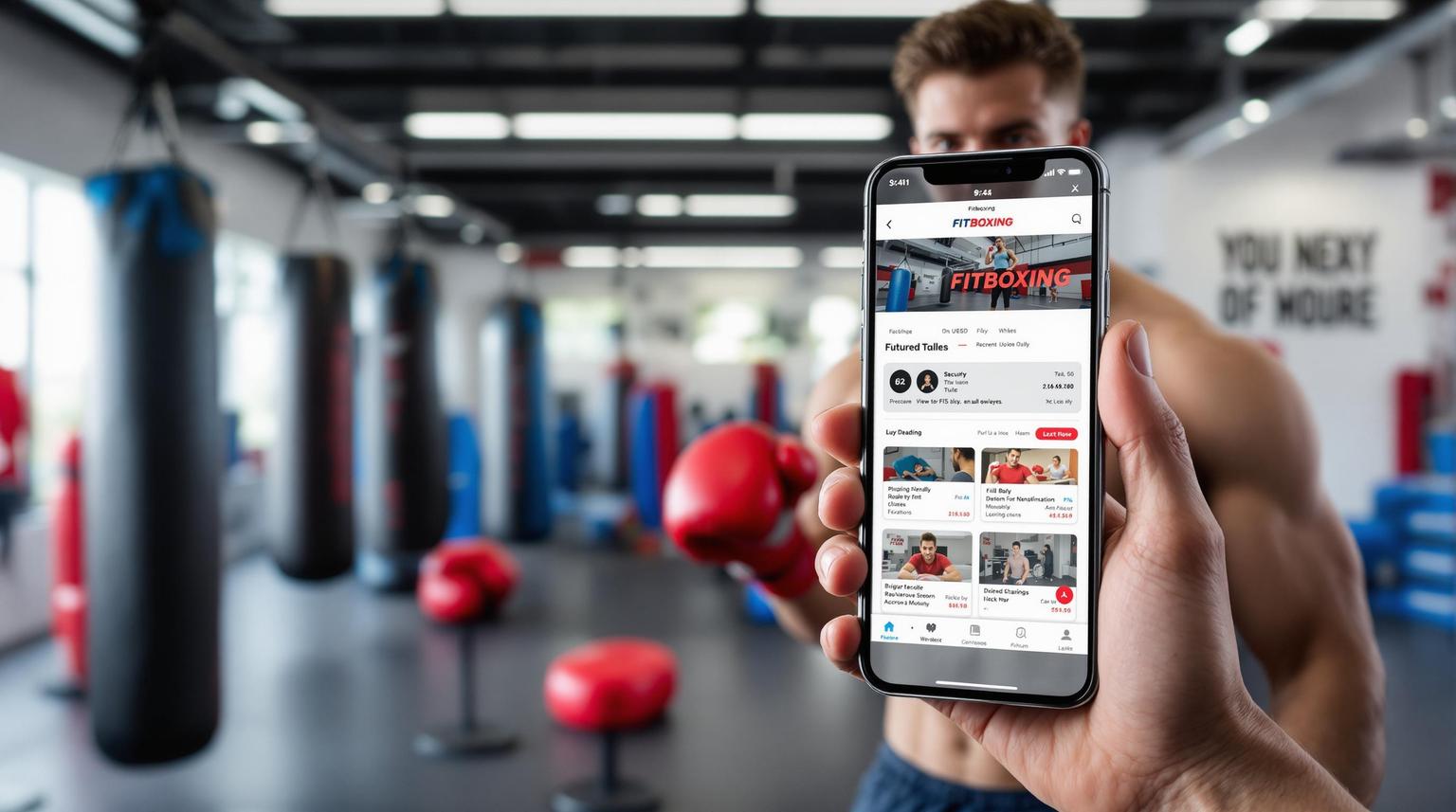
$ (e.g., $99.99).This checklist ensures your app meets user expectations while staying secure, functional, and engaging.
Your app should include features that enhance the user experience and simplify operations. Here are the key components:
A well-designed interface is the cornerstone of any successful app. Aim for a layout that's easy to navigate and visually appealing:
A strong class management system is essential for both studio owners and members. It keeps things organized and efficient. Here’s what to include:
| Feature | Purpose | Benefit |
|---|---|---|
| Real-time Booking | Allows 24/7 class registration | Reduces admin tasks |
| Automated Waitlist | Handles overflow for full classes | Maximizes attendance |
| Smart Notifications | Sends confirmations and reminders | Cuts down on no-shows |
| Multi-timezone Support | Manages scheduling across the U.S. | Supports nationwide users |
Make your app compatible with popular fitness devices for a more comprehensive experience:
Add tracking features that motivate users to stay on track with their fitness goals:
Gamify the experience to keep users engaged and coming back:
Your Fitboxing studio app requires a strong backend to manage user data, scheduling, and security effectively. Here's what you need to set up:
A well-built backend ensures smooth daily operations. Focus on the following key systems:
| System Type | Key Features | Implementation Priority |
|---|---|---|
| Payment Processing | Secure transactions, subscription management, refund handling | High |
| CRM Integration | Member profiles, attendance tracking, communication tools | High |
| Studio Management | Class scheduling, instructor assignments, facility resources | Medium |
| Analytics Engine | Performance metrics, attendance patterns, revenue tracking | Medium |
To ensure the system runs efficiently, consider using server-side caching and load balancing. Once these systems are in place, secure the backend with strong safety measures.
After setting up your business systems, prioritize strict security protocols. Protecting user data is especially important for fitness apps that handle personal health information. Here's how to do it:
1. HIPAA Compliance Requirements
Ensure your app meets HIPAA standards by using AES-256 or RSA encryption for sensitive data. In 2023, over 112 million people were impacted by health data breaches across 540 organizations. To safeguard user data, implement the following:
2. Data Privacy Controls
Introduce strong privacy measures to protect user information:
For apps targeting the US market, follow these standard formats:
| Element | Standard Format | Example |
|---|---|---|
| Currency | USD with $ symbol | $99.99 |
| Dates | MM/DD/YYYY | 04/17/2025 |
| Time | 12-hour format | 2:30 PM EDT |
| Measurements | Imperial units | 150 lbs, 5'10" |
For hosting, use HIPAA-compliant cloud providers such as AWS, Google Cloud Platform, or Microsoft Azure. These platforms offer the necessary tools to meet security and compliance requirements effectively.
Effective practices ensure a high-quality Fitboxing app for users.
Testing should cover multiple devices and platforms:
| Testing Phase | Key Focus Areas | Required Tools |
|---|---|---|
| Functional Testing | User flows, booking system, payment processing | Selenium, TestComplete |
| Performance Testing | Load times, data handling, real-time updates | JMeter, LoadRunner |
| Security Testing | Data encryption, authentication, access controls | OWASP ZAP, Burp Suite |
| Compliance Testing | HIPAA standards, payment regulations | Automated compliance scanners |
API testing should focus on two main areas:
After testing, implement a regular maintenance schedule to maintain app performance.
Plan maintenance around user activity to minimize disruption:
| Maintenance Task | Frequency | Priority Level |
|---|---|---|
| Security Updates | Bi-weekly | Critical |
| Feature Updates | Monthly | High |
| Performance Optimization | Quarterly | Medium |
| User Feedback Review | Weekly | High |
Add push notifications to keep users engaged with workout reminders, class updates, achievements, and maintenance alerts. Combine this with structured tracking to maintain efficiency.
Use tools like ClickUp or Jira to manage development progress. Organize work into sprints with clear goals:
| Sprint Phase | Duration | Key Deliverables |
|---|---|---|
| Planning | 1 week | Define feature specs and allocate resources |
| Development | 2–3 weeks | Build core functionality |
| Testing | 1 week | Fix bugs and optimize performance |
| Release | 2–3 days | Deploy updates and monitor results |
Track progress by evaluating sprint velocity, bug resolution rates, user feedback, API performance, and app store ratings.
Enhance your app with features tailored specifically for Fitboxing studios.
A solid training content system is key to delivering tailored and engaging workout plans. Here’s what it should include:
| Feature Type | Implementation Requirements | User Benefits |
|---|---|---|
| Video Library | Cloud storage, CDN support, HD streaming | Smooth playback for exercise demos |
| Workout Builder | Timer presets, exercise sequencing tools | Easy session customization |
| Progress Tracking | Performance metrics, goal-setting tools | A more personalized fitness experience |
Add synchronized voice-guided instructions to ensure proper form during workouts. Also, support different workout styles to meet various fitness needs:
Turn solo workouts into a community-driven experience with integrated social features. Here’s how you can make it happen:
| Social Feature | Function | Engagement Impact |
|---|---|---|
| Achievement Sharing | Share milestones and badges | Builds a sense of community |
| Challenge System | Weekly or monthly fitness competitions | Boosts user participation |
| Group Activities | Virtual workout rooms, team challenges | Encourages accountability and teamwork |
These tools should connect users with similar fitness goals while maintaining privacy. Instructors can also create private groups for specialized training programs, adding a personal touch.
Leverage 2V Modules to enhance Fitboxing performance and user satisfaction:
| Integration Point | Implementation Details | Business Value |
|---|---|---|
| Program Matcher | AI-driven workout recommendations | Delivers a tailored user experience |
| Progress Tools | Performance analytics dashboard | Enables data-based training decisions |
| Device Sync | Works with Apple Watch and other trackers | Provides seamless activity tracking |
Additionally, configure the customer portal for class scheduling, payment processing, and membership management. To improve usability, include advanced search options, making it easy for users to find specific workouts or connect with training partners.
Creating a Fitboxing app that stands out requires solid technology and a user-friendly design. In 2023, the fitness app market brought in $3.58 billion in revenue and saw 805 million downloads. These numbers show there's a strong demand for well-executed fitness apps.
When planning your Fitboxing app, focus on these key areas:
| Development Phase | Key Focus Areas | Implementation Priority |
|---|---|---|
| Core Features | User profiles, workout tracking, device integration | Immediate |
| Enhanced Experience | Social features, gamification, rewards system | Secondary |
| Business Operations | Studio management, payment processing, analytics | Essential |
This breakdown helps you decide where to start and how to expand. Start with the basics, like workout tracking and progress monitoring, then build on that with advanced features like AI-driven recommendations or AR-based feedback. Costs can range from $10,000 to $50,000 for white-label solutions, while custom apps may cost three to four times more.
The goal is to create an app that fits seamlessly into users' lives while supporting both individual fitness goals and studio needs. Regular updates, performance monitoring, and strong customer support are key to ensuring long-term success.