Top Frameworks for Cross-Platform Apps 2025
Published
December 12, 2024
7
min read
Looking for the best frameworks to build cross-platform apps in 2025? Here's what you need to know:
| Framework | Key Strengths | Ideal For |
|---|---|---|
| Flutter | High performance, wearable integration | Apps needing real-time tracking and video |
| React Native | Quick development, responsive design | Apps with fast timelines |
| Xamarin | Native performance, device integration | Hardware-intensive apps |
| Ionic | Real-time data, responsive design | Apps with video and progress tracking |
| Kotlin Multiplatform | Code sharing, native performance | Complex integrations and analytics |
These frameworks simplify development while ensuring smooth performance across devices. Choose the one that fits your project's needs.
Flutter is a go-to framework for creating high-performance sports and fitness apps. Its ability to process real-time data and deliver smooth animations makes it ideal for tracking fitness progress and monitoring activities.
Near-Native Performance
Flutter's architecture ensures performance that's close to native apps, which is essential for apps relying on sensor data and instant feedback. Its widget-based design makes it easy to create complex interfaces like progress charts and timers. Plus, Flutter is highly effective when it comes to connecting with hardware.
Seamless Device Integration
Flutter makes it simple to connect with fitness wearables and sensors. Its APIs support devices like the Apple Watch and Fitbit, enabling features such as:
Practical Example
In 2023, Fit For Golf LLC launched a Flutter-based app developed by 2V Modules. The app enhanced workout planning, video hosting, swing speed tracking, and integration with devices and calendars.
Flutter also comes with powerful tools that simplify app development:
| Feature | How It Helps Fitness Apps |
|---|---|
| Hot Reload | Speeds up UI testing and adjustments |
| Custom Widgets | Enables branded data visualizations |
| Platform Channels | Accesses sensor data directly |
| Built-in Animation | Smoothly demonstrates exercises |
Optimized for Demanding Features
Flutter shines when handling resource-heavy tasks, including:
With its strong performance and seamless device compatibility, Flutter is a top choice for building advanced sports and fitness apps. It offers the tools and flexibility needed to meet the demands of this dynamic industry.
React Native is another solid choice for building cross-platform fitness apps. It uses a component-based structure, making it easier to create responsive fitness tracking features. By integrating with wearables through powerful APIs, React Native enables continuous tracking and real-time updates.
For instance, the 2V Modules app created for Fit For Golf LLC highlights React Native's capabilities. It replaced a generic white-label solution with a custom-built design, tailored to the client's needs.
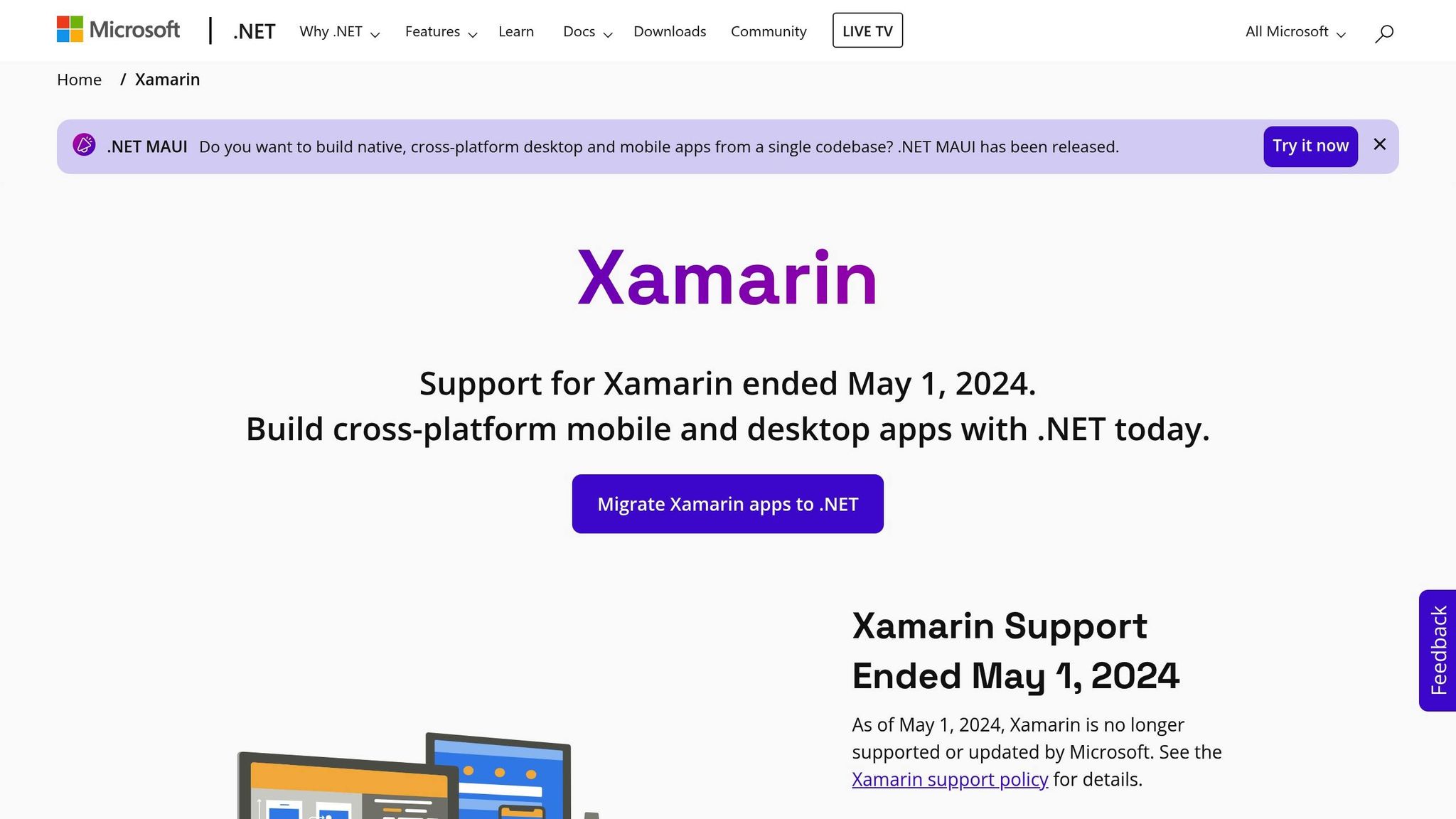
Xamarin is a powerful framework for creating cross-platform sports and fitness apps, especially when strong hardware integration is needed. Its ability to deliver native performance makes it ideal for apps that rely on smooth device connectivity and real-time data processing.
One of Xamarin's key advantages is its support for fitness tracking devices through detailed APIs. These APIs enable developers to integrate wearables and implement features like activity tracking, workout planning, and performance monitoring - all while ensuring the app works consistently across different platforms. This makes it a go-to choice for fitness-focused applications.
A great example of Xamarin in action is the Fit For Golf LLC app. This app includes features such as:
The success of the Fit For Golf LLC app highlights Xamarin's ability to power feature-packed fitness applications that run smoothly across devices while offering excellent hardware integration.
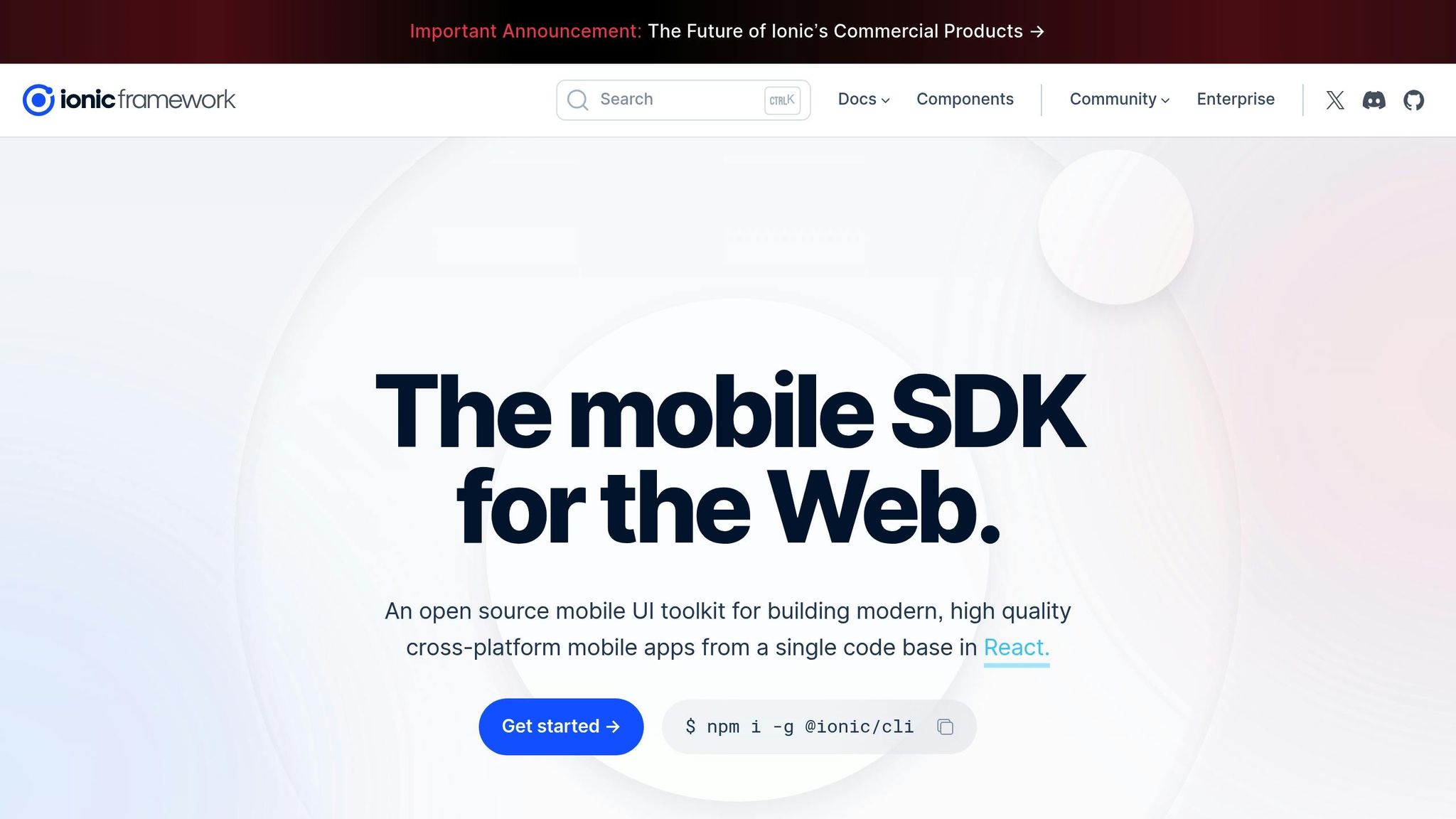
Ionic stands out as another strong choice for building cross-platform apps, especially in the sports and fitness space. It works seamlessly with fitness devices and APIs, making it a reliable option for creating consistent and functional apps across multiple platforms.
For example, 2V Modules used Ionic to develop a custom fitness app for Fit For Golf LLC. This app included features like a workout builder, video hosting, program matching, progress tracking, and integrations with devices and calendars.
Ionic offers several advantages for fitness apps. Its native API access enables smooth device integration, while its real-time data handling ensures optimal performance. Additionally, Ionic provides a wide range of UI components, making it easier to design visually appealing and user-friendly interfaces.
The framework also supports thorough testing to ensure stability across different operating systems. Its responsive design capabilities are perfect for displaying workout plans, tracking progress, and showcasing fitness metrics. Developers can use Ionic to build interfaces that handle video playback, real-time tracking, and calendar synchronization with ease.
These strengths make Ionic a solid competitor among other frameworks discussed in this article.
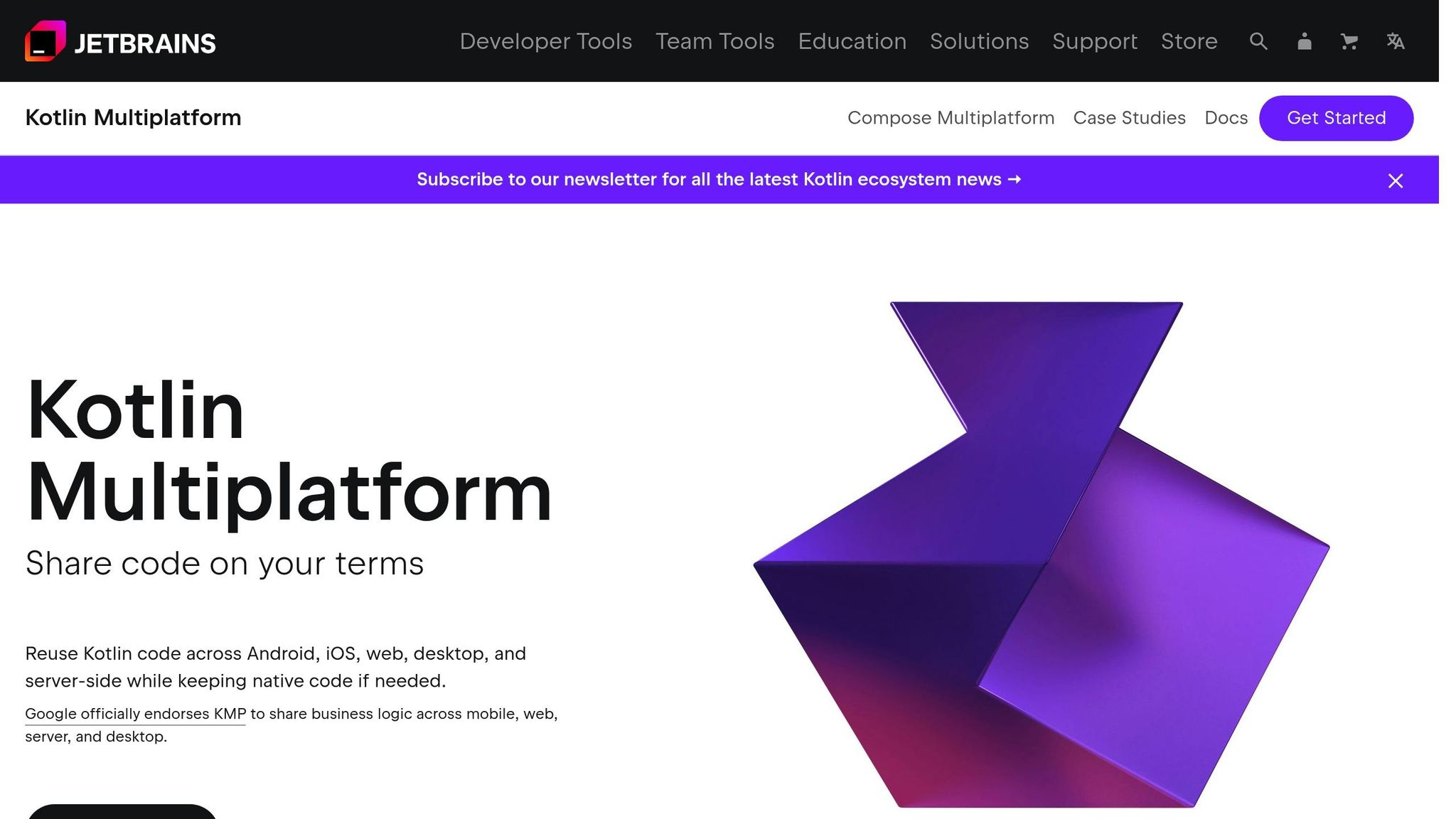
Kotlin Multiplatform allows developers to combine shared code with native performance. Its setup lets you write platform-specific code only when absolutely needed, while keeping the core business logic in one unified codebase. This approach balances efficiency and performance seamlessly.
For example, 2V Modules used Kotlin Multiplatform to build the Fit For Golf LLC app. They integrated native APIs for Apple Watch workout tracking, Google Calendar scheduling, and swing speed training. The result? A smooth and responsive app experience.
By compiling to native code, Kotlin Multiplatform ensures demanding tasks like real-time workout tracking and performance analytics run efficiently. It also supports a wide variety of third-party integrations, making it a great choice for connecting with devices and payment systems.
The framework's modern tools, extensive standard library, and coroutines simplify asynchronous tasks such as real-time updates and tracking workouts. Its modular design promotes code reuse across platforms while still allowing platform-specific UI components, ensuring apps can leverage native device features effectively.
On top of that, Kotlin Multiplatform's strong typing system and excellent IDE support help developers catch issues early, which is crucial for building stable apps. This is especially important for fitness applications that handle sensitive data like health metrics and workout stats.
When evaluating frameworks for app development, several factors stand out as crucial:
Fitness apps thrive on real-time data tracking and seamless device integration. For instance, Kotlin Multiplatform is known for handling real-time workout tracking and integrating with wearables like smartwatches effectively.
Essential integration features include:
Development usually takes 3–6 months. This timeline covers features like custom workout builders, video content management, program matching algorithms, progress tracking tools, and device integration. The choice of framework plays a key role in speeding up development and ensuring smooth project workflows.
Frameworks handle native API access differently. Tools like React Native and Kotlin Multiplatform are designed to balance code sharing while still allowing access to native features.
Development costs depend on factors like project duration, team expertise, integration complexity, and ongoing maintenance. Frameworks that allow more code sharing can lower initial costs and make long-term maintenance simpler, though some platform-specific adjustments may still be required.
Based on the framework features discussed earlier, here are tailored recommendations for various app development scenarios. These suggestions are designed to align with specific project needs and constraints in 2025.
For Performance-Critical Applications
Choose frameworks that deliver high performance and smooth device integration. These are ideal for apps requiring:
For Quick Development Cycles
React Native and Flutter are excellent options for faster development. They support features like:
For Complex Integration Needs
Pick frameworks that offer strong native API access. This is essential for seamless integration with wearables, multimedia, and native APIs.
Considering Costs and Resources
Evaluate your team’s expertise, the resources available, and the long-term costs of maintaining the app.
These recommendations highlight the importance of selecting frameworks that combine efficient code sharing with reliable native performance. Striking this balance ensures a smooth user experience.